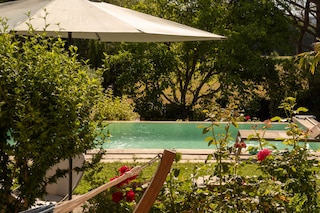
How to look after your lawn in a heatwave as temperatures continue to rise
With prolonged dry conditions, lawns across the country can start to look a bit straw-like, and it’s a good time to consider how best to care for them during a heatwave

With prolonged dry conditions, lawns across the country can start to look a bit straw-like. There’s no need to worry – this is natural – and well-maintained lawns will usually recover once rain returns.
An established lawn does not need to be watered routinely. In fact, as part of your summer lawn care, letting a lawn search for its own supply of water will encourage roots to go deeper and seek out moisture. This will benefit the lawn’s health in the long term.
From the best time to water, to whether you should continue to feed and mow your lawn, we spoke to Rolawn, the UK’s leading turf manufacturer with sales of more than 160 million rolls in the last 40 years, who offer the following advice for looking after your lawn in a heatwave.
How and when to water your lawn

If your lawn is established, it’s not imperative to water it routinely. Letting the lawn search for its own supply of water encourages roots to go deeper and seek out moisture, which will benefit the lawn’s long-term health, says Rowlan.
When possible, water when the grass is still green but starting to show signs of stress, such as little growth and a dulling of the normal bright green colouration.
And if you are watering, do so in the early morning or the evening; this reduces water loss due to evaporation and allows the water to soak in. It is preferable to water thoroughly and less frequently, rather than little and often and remember to follow any local regulations regarding the use of hosepipes.
If you’re not able to water, there’s no need to worry. An established, good-quality lawn is happy to be left to go brown during dry conditions, and its colour will return when rain returns.
If your lawn has been severely stressed by dry conditions, take steps to help water penetrate the surface when water becomes available. Some light spiking with a garden fork or spiked roller will help, but this should only be done when water becomes available again. Aeration to relieve compaction and scarification to reduce thatch buildup may also be necessary to allow water to percolate into the soil more effectively.
Should I continue feeding my lawn?

Do not apply fertiliser or other chemicals to drought-affected lawns because this could cause additional stress. At best, they will not work, and at worst, they will scorch the grass.
Should you mow the lawn?

As always, the frequency of mowing should be judged by the growth of the lawn. If the grass is not growing and you can’t water it, then do not attempt to mow at all.
Once growth resumes, start mowing regularly again, but during periods of low rainfall, raise the height of the mower blades so that you aren’t cutting the grass as short as you normally would.
Leaving your lawn a little longer will allow deeper roots to grow and help trap moisture by reducing evaporation from the surface, which will improve drought tolerance.
It will also help your lawn to keep a greener appearance by leaving more of the green leaf visible. Ensure mower blades are sharp because blunt mower blades will bruise the leaves and add to the straw-like appearance.
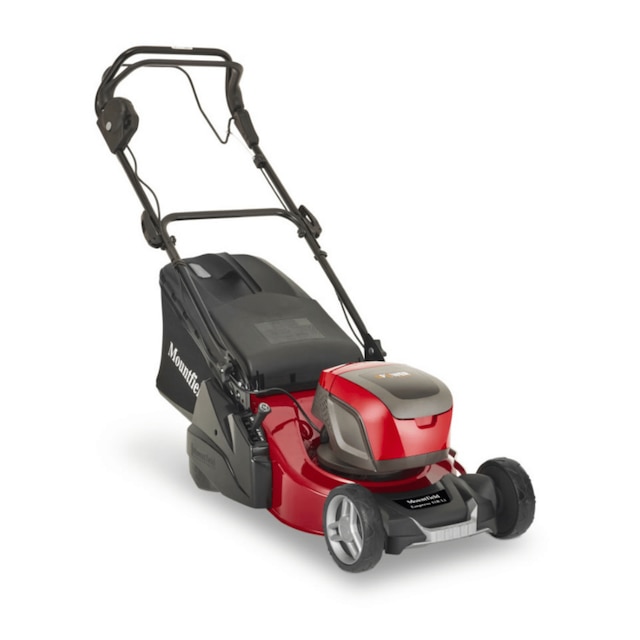
Designed for medium-sized lawns, the model boasts a rear roller to achieve perfect stripes in your lawn and is self-propelled.
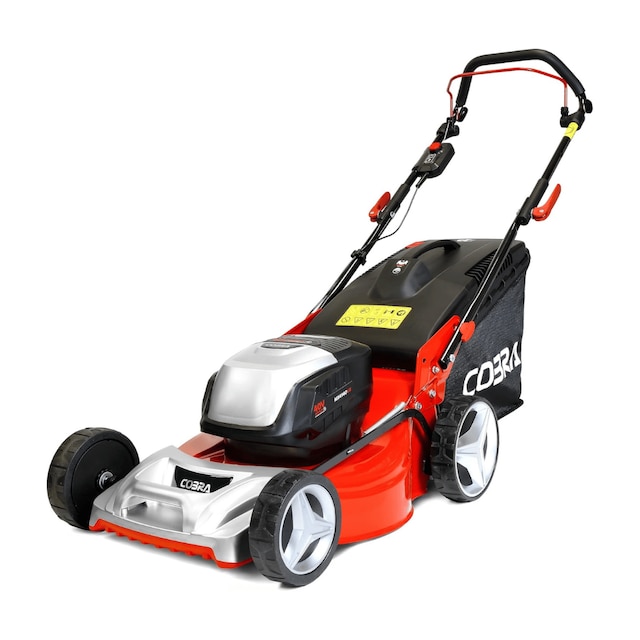
A cordless lawn mower with seven cutting heights, this model has an adjustable handle height and a large 50L grass bag.
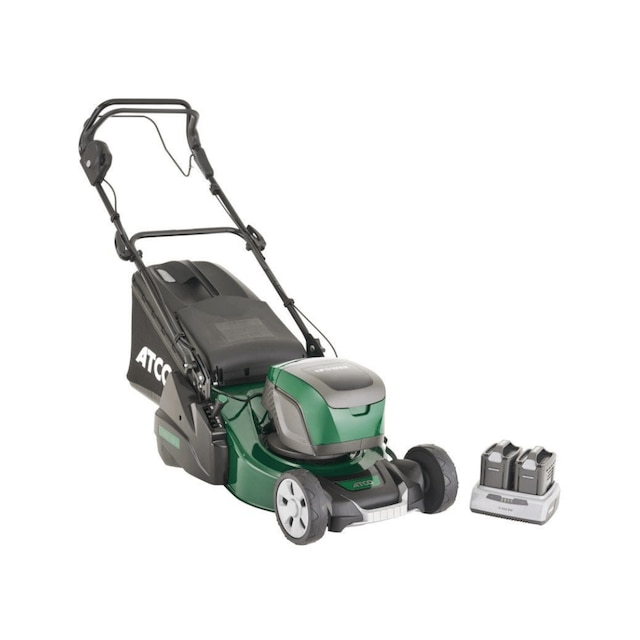
A self-propelled mower, the Acto Liner has a 46cm/18” cutting width and a large 55 litre grass collector.
In summer, you can still give attention to your lawn’s edges to keep it neat. Try a lawn edging tool from Spear & Jackson available from Amazon, or a strimmer or trimmer such as the Flymo Contour 500E or the Cobra GT3024V cordless trimmer.
More from Seasonal Tips



d010.jpg?imwidth=320&impolicy=utilities-thumbnail)


More from The English Garden


6138.jpg?imwidth=320)