How to prune raspberries properly for larger berries, healthier plants, and bigger harvests every year
Pruning raspberries is not a challenging task, but an awareness of whether you are growing summer-fruiting or autumn-fruiting varieties is key to success

Knowing how to prune raspberries is important to the health and success of your harvest. Without it, raspberry canes can become overcrowded, the disease risk increases, and yields are lower than hoped for.
Pruning raspberries is essential to knowing how to grow raspberries successfully. It’s not a challenging task, but an awareness of whether you are growing summer-fruiting or autumn-fruiting varieties is key to success. They each fruit on different growth, and so understanding the difference is essential to make sure you prune them correctly.
With just a gentle prune each year, you can promote fresh growth and have better quality fruits, and the best part is that raspberries are the plant that keeps on giving year after year, and so your efforts will be fruitfully (if you’ll pardon the pun) rewarded.
Why should we prune raspberries?

Like most plants, pruning helps raspberries to direct energy to where it is most valuable, in this case, into producing healthy canes and juicy fruits, rather than feeding nutrients to old and fruitless growth.
Removing dead stems also helps to improve air flow and reduce the likelihood of fungal diseases such as cane blight and raspberry spur blight.
Harvesting a pruned raspberry plant is also a simpler task, as you’re not fighting through tangled canes.
The best pruning tools and kit for raspberries
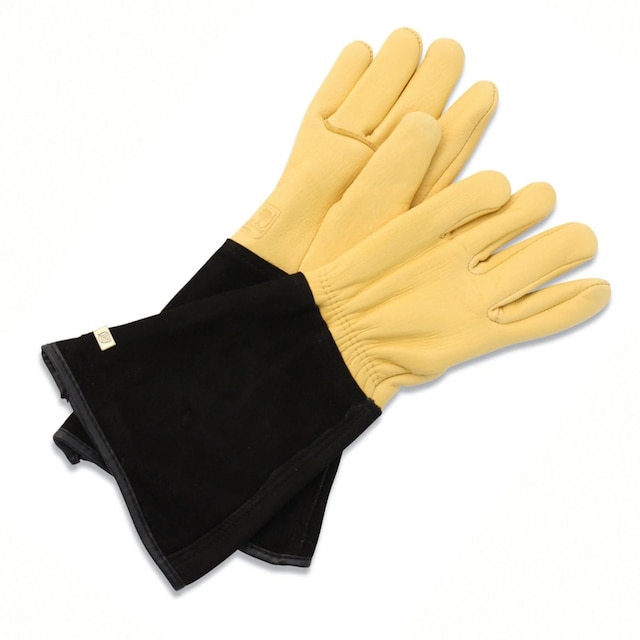
These all-leather gloves feature a cotton inner and plastic-lined, fleecy mid-arm length gauntlet and will provide a level of protection against any raspberry thorns.
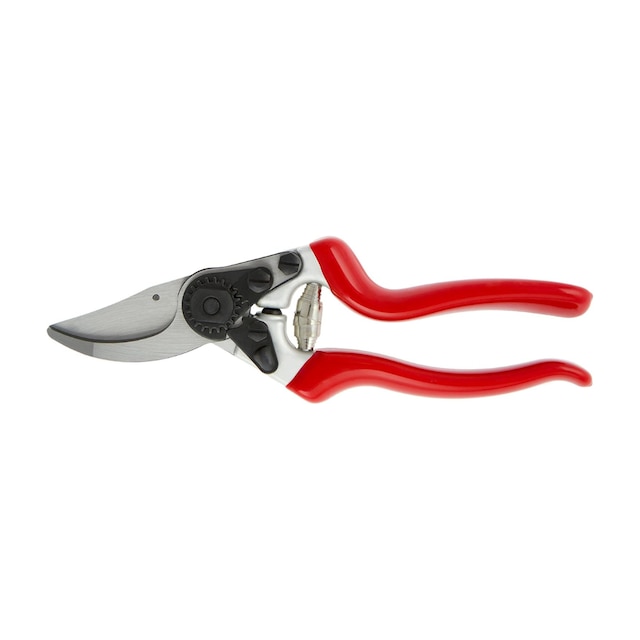
With a carbon steel blade that will slice through woody stems, these Darlac secateurs have a comfortable plastic-coated handle and a cutting capacity of 25mm.
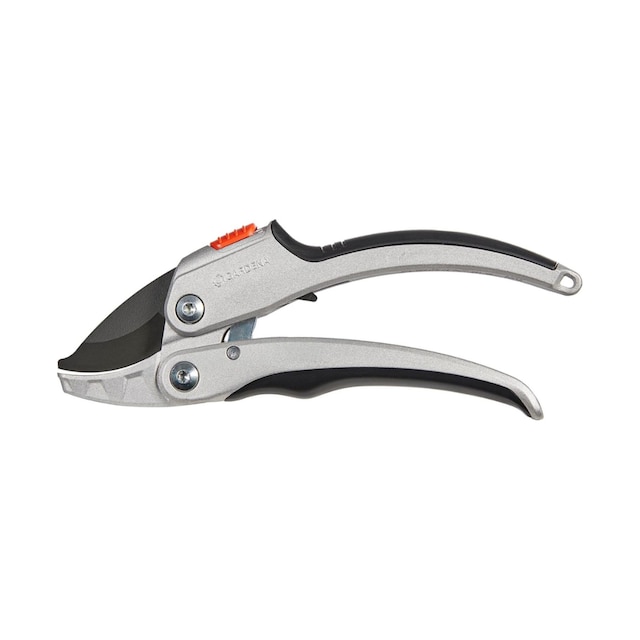
If you are dealing with very thick woody stems, then the Gardena comfort ratchet secateurs will help you with older plants, especially if you are cutting back to ground level.
How to identify summer-fruiting and autumn-fruiting raspberries

Before you reach for your secateurs, identify what type of raspberries you are growing.
Summer-fruiting raspberries produce fruit on canes that grew during the previous year, and these canes fruit once and then become unproductive.
Autumn-fruiting raspberries, on the other hand, produce berries on canes that grow and fruit within the same season, which makes them easier to maintain.
If you’re still struggling to identify the type of raspberries you have in your garden, it’s best to observe when the fruit appears. Summer varieties will crop between June and August, whereas autumn varieties will fruit from late summer into autumn.

A variety that is tolerant of poor soils, raspberry ‘Malling Promise’ fruits in early summer and is delicious for jams.
How to prune autumn fruiting varieties

The easiest raspberries to prune, autumn fruiting varieties can be tackled in late winter, usually between February and March.
You need to cut down every cane to ground level before new growth begins, and in spring, new shoots will emerge and produce fruit later in the year. It’s what makes autumn-fruiting varieties so popular, the fact that there is no need to distinguish between older and newer canes.

How to prune summer fruiting varieties

The key to success with summer fruiting varieties is that they need to be pruned immediately once harvesting has finished.
Start by identifying the canes that have just produced fruit. These older canes will often appear woodier and darker and more branched than the new green shoots that have emerged during the current season.
You should cut all fruited canes down to ground level and remove them completely from the row, but leave the strong new canes untouched.
Once you’ve removed all the old canes, you can thin the remaining new canes to reduce competition, typically between 10-15cm apart is ideal.
How to remove weak or damaged growth

Any diseased or broken canes should be removed as a matter of urgency. In some cases, you can cut the affected growth back to the healthy tissue, but in other cases, it’s better to remove the entire cane if the damage is severe.
What you want to avoid is problems spreading throughout your patch of raspberries, so speed really is of the essence.
How to support canes after pruning

Once you’ve finished your pruning, you can use support wires or a framework like this from Amazon to keep your canes upright.
Adding supports will also help you to prevent wind damage and keep any developing fruits from trailing on the ground. Air flow and access to light are also added benefits.
Avoid these pruning mistakes

Mistakes are most often made when gardeners remove the wrong canes on summer-fruiting varieties and accidentally remove the new canes that will produce next year’s crop; it’s disappointing after all your efforts to grow raspberries, so prune cautiously.
On the other hand, if you are too gentle with pruning and allow too many canes to remain, this overcrowding can lead to a less fruitful harvest, so be sure to allow space to let canes breathe.
When should you replace raspberry plants?

One of the ideals about growing raspberries is how long they fruit over the years, and a well-maintained patch can give you abundant fruiting for eight to ten years. However, past that point, yields do tend to decline, and so you can establish a new row in fresh soil to keep harvesting optimally.
A top tip is to make sure not to plant your new raspberries in the same location as your old plants, as you may risk soil-borne diseases affecting your newly purchased plants. Fresh soil is always the safer and most beneficial option.
Regular pruning of your raspberry plant is absolutely crucial for encouraging stronger canes, healthier plants, and more abundant harvests. And all you need is to spend a few minutes with your trusted pair of the best bypass secateurs (one of my go-tos is the Niwaki GR Pro Secateurs from Amazon) to keep on top of your pruning and guarantee the longevity of your raspberry patch.
More from Seasonal Tips



d010.jpg?imwidth=320&impolicy=utilities-thumbnail)


More from The English Garden



6138.jpg?imwidth=320)